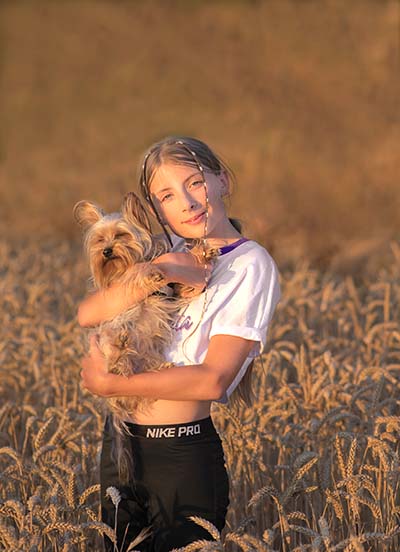
Have you ever wondered how to capture truly breathtaking portraits that harness the natural beauty of the environment? Discover the magic of natural light photography in Devon, where the region’s stunning landscapes, like Dartmoor National Park and North Devon beaches, provide the perfect canvas for your artistic endeavours. Learn to master natural light techniques to elevate your portrait photography skills, creating images that resonate with warmth and authenticity. Join us as we explore invaluable tips, ideal locations, and essential equipment that will transform your outdoor photography experience in this picturesque corner of the world.
Mastering Natural Light for Portraits in Devon
Natural light is crucial in enhancing the quality of portrait photography, offering a soft, flattering glow that artificial lighting often struggles to replicate. When capturing portraits, natural light can highlight facial features, creating a more authentic and aesthetically pleasing image. Utilising natural light effectively requires understanding its nuances—knowing when and where it will yield the best results. For instance, different times of the day can drastically alter the mood of a photograph. Mastering the use of this natural resource can transform ordinary portraits into extraordinary visual stories, especially in settings as picturesque as Devon.
Shooting during the golden hours, which occur shortly after sunrise and just before sunset, is particularly advantageous for photographers in Devon. These times provide the ideal natural lighting conditions, characterised by soft, diffused light and minimal harsh shadows. The gentle illumination of the golden hours can enhance the mood and depth of portraits, offering a warm and natural hue that enriches the scene. This period is perfect for photographers seeking to capture the serene beauty of Devon’s landscapes while emphasising the subject’s features in a harmonious blend with nature.
Devon offers a myriad of stunning locations that serve as perfect backdrops for natural light portraits. Some recommended spots include:
- Dartmoor National Park
- North Devon beaches
- Clovelly village
- Salcombe village
- Devon’s isolated beaches
These settings not only provide breathtaking scenery but also allow photographers to harness the full potential of natural light, ensuring each portrait resonates with the unique charm of the Devonshire landscape.
Outdoor Portrait Techniques in Devon
Positioning is key when capturing outdoor portraits in Devon. To avoid overexposure, place your subjects in shaded areas where the light is softer and more diffused. This method minimises harsh shadows and highlights, ensuring a balanced exposure across the subject’s face. Natural reflectors, such as hats or light-coloured clothing, can also be used to bounce light onto the subject, creating a gentle gradation of light and shadow. This technique not only enhances the subject’s features but also adds a professional touch to the portrait.
Overcast days are a boon for outdoor portrait photography in Devon. The cloud cover acts as a natural diffuser, providing even and soft lighting that reduces the risk of harsh shadows. This type of lighting is particularly advantageous as it allows for more flexibility in positioning your subject, without the worry of direct sunlight causing overexposure. The consistent lighting of an overcast day can also add a moody atmosphere to the portraits, which can be used creatively to convey different emotions and narratives.
Best Equipment for Natural Light Photography
Fast lenses are crucial for natural light photography, particularly in Devon’s diverse outdoor settings. What are the benefits of using fast lenses with wide apertures like f/1.8 or f/2.8? They allow photographers to create a shallow depth of field, effectively isolating the subject from the background and producing a beautiful bokeh effect. This is particularly useful in portrait photography, as it ensures that the subject remains the focal point of the image while the background softens, adding a professional touch. Moreover, fast lenses enable more light to enter the camera, essential for low-light conditions often encountered during the golden hours of early morning or late afternoon.
Reflectors play a significant role in enhancing portrait quality by bouncing light onto the subject’s face. How do reflectors impact the quality of natural light portraits? They help fill in shadows, providing a more balanced exposure and highlighting facial features. By directing natural light where it’s most needed, reflectors can soften harsh shadows and add a pleasing glow to the subject’s skin. This simple yet effective tool is indispensable for photographers aiming to achieve a polished and natural look without relying on artificial lighting.
- Fast lenses (e.g., f/1.8, f/2.8)
- Reflectors
- Tripods for stability
- Camera with adjustable settings
Timing and Lighting Techniques for Devon Portraits
The golden hours, occurring during early morning and late afternoon, provide optimal conditions for capturing outdoor portraits in Devon. Why are these times ideal? The soft, diffused light reduces harsh shadows, creating a warm and flattering illumination that enhances the subject’s features and harmonises with Devon’s natural landscapes. Different lighting techniques can further elevate portrait quality. Side lighting is particularly effective for adding depth and texture to a portrait, as it accentuates facial contours and creates a three-dimensional effect. In contrast, backlighting is known for creating a halo effect around the subject, adding an ethereal quality to the portrait and highlighting the subject against a beautifully lit background. These techniques, when combined with the timing of the golden hours, enable photographers to capture stunning and evocative images that resonate with the natural beauty of Devon.
- Side lighting for depth and texture
- Backlighting for a halo effect
Compositional Techniques to Enhance Outdoor Portraits
Incorporating natural surroundings into outdoor portrait photography is essential for adding context and interest. Why is this important? Including elements of the landscape can create a sense of place and story, enhancing the overall impact of the portrait. Natural features such as trees, hills, or water bodies can be used effectively to complement the subject and provide a harmonious balance within the frame. By thoughtfully integrating these elements, photographers can create visually compelling images that resonate with viewers, drawing them into the scene and enriching the narrative of the portrait.
Using leading lines and framing elements is a powerful technique to guide the viewer’s eye and enhance composition in outdoor portraits. How can this be achieved? Lines created by pathways, fences, or natural formations can direct attention towards the subject, ensuring that they remain the focal point of the image. Framing elements like archways, tree branches, or openings between rocks can also be used to encircle the subject, providing a natural border that draws focus and adds depth to the portrait. These compositional tools help in creating a structured and aesthetically pleasing image, making the portrait more engaging and visually impactful.
Devon’s diverse landscapes offer an abundance of opportunities to enrich outdoor portraits with dynamic backgrounds. How can photographers utilise this to their advantage? Locations such as Dartmoor National Park or the coastal cliffs of North Devon provide dramatic backdrops that can enhance the emotional tone of a portrait. The rolling hills, lush greenery, and expansive skies of Devon can be used creatively to amplify the subject’s presence and create a sense of scale and drama. By harnessing the unique features of Devon’s landscapes, photographers can produce portraits that are not only beautiful but also deeply connected to the environment, resulting in compelling and memorable images.
Adapting to Devon’s Changing Weather Conditions
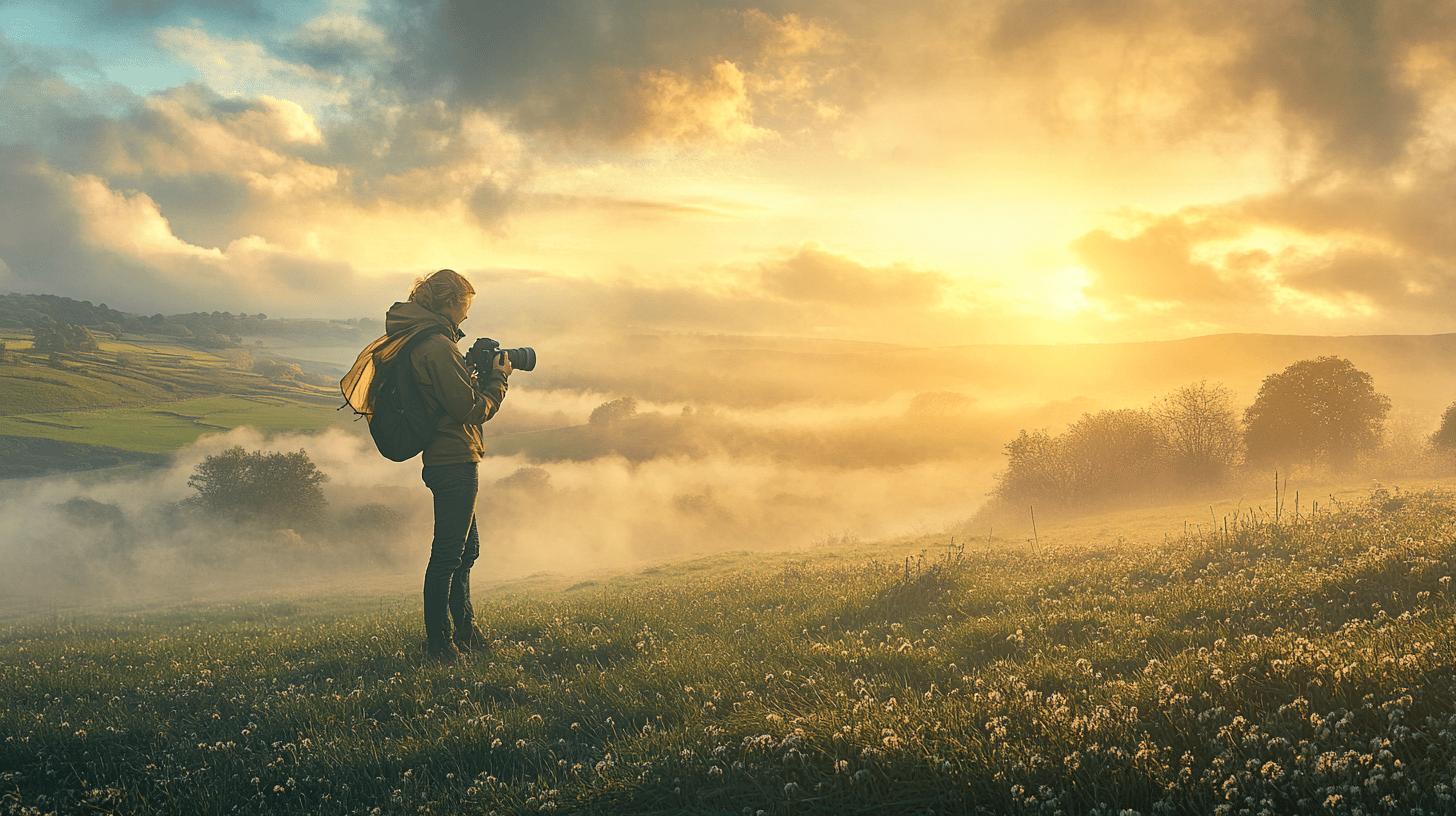
Devon’s weather is notoriously unpredictable, presenting a significant challenge for photographers seeking to capture outdoor portraits. What is the primary concern with Devon’s weather? The sudden shifts can affect lighting conditions, requiring photographers to be adaptable and prepared for changes at short notice. To combat this, having waterproof gear at hand is essential—not just to protect equipment, but to ensure the shoot can continue even in unexpected rain. Flexibility in scheduling is also crucial, as it allows for adjustments based on real-time weather updates, maximising the chances of favourable conditions. This adaptability is key to maintaining the quality and continuity of the photography session despite the whims of Devon’s climate.
How can changing weather conditions enhance portrait photography? By embracing these shifts, photographers can capture authentic emotions and dynamic scenes that tell a genuine story. Dramatic skies, varying light, and the interplay of shadows can add depth and character to portraits, offering a unique opportunity to portray the subject in a more natural and engaging manner. These elements help in conveying the mood of the moment, making the portraits not just visually striking, but emotionally resonant. By leveraging the unpredictability of Devon’s weather, photographers can transform potential challenges into creative advantages, resulting in portraits that are both compelling and true to the environment.
- Carry waterproof gear
- Plan flexible shoot times
- Use changing conditions to capture genuine emotions
Final Words
Devon’s natural light provides an unparalleled advantage for portrait photography. Golden hours in places like Dartmoor and North Devon beaches create soft, beautiful lighting. Using positioning and natural reflectors enhances portraits, while overcast days offer ideal soft light conditions.
The Magic of Natural Light Photography in Devon: Outdoor Portrait Tips underscores the importance of timing, showcasing how to harness golden hours and utilise backlighting. Selecting fast lenses and reflectors significantly impacts image quality.
Adapting to unpredictable weather in Devon and incorporating natural surroundings into compositions enriches photos with depth and authenticity. Armed with these insights, photographers can capture Devon’s essence in stunning portraits.
visit Linava Photography’s website and start planning your perfect portrait session in the beautiful Devon landscapes.
FAQ
How to capture good portraits using natural light?
When capturing portraits in natural light, position subjects in shaded areas to avoid overexposure. Use natural reflectors, such as nearby walls or hats, to direct light onto the subject’s face for soft gradation.
What are the types of natural light ideal for photography?
Different types of natural light include direct sunlight, overcast light, and golden hour light. Golden hours, early morning and late afternoon, provide soft, flattering lighting perfect for portraits.
What is the best setting for outdoor portrait photography?
For outdoor portraits, utilise a wide aperture (e.g., f/1.8 or f/2.8) to isolate your subject from the background and create a beautiful bokeh effect. Adjust ISO and shutter speed based on ambient light levels.
What are the key elements when shooting portraits using natural light?
Key elements include utilising golden hours, choosing appropriate backgrounds, and ensuring subjects are comfortably positioned in consistent light. Use reflectors to enhance features and minimise harsh shadows.
What advantages of golden hour shooting in Devon are key?
Golden hour light, occurring during early morning and late afternoon, softens shadows and adds warmth, perfect for Devon’s picturesque landscapes like Dartmoor National Park or North Devon beaches.
What equipment is recommended for natural light portrait photography?
Essential equipment includes fast lenses for shallow depth of field, reflectors to bounce light, tripods for stability, and cameras with adjustable settings to adapt to varying natural light conditions.
How to manage Devon’s unpredictable weather for portrait photography?
Prepare for unpredictable weather by carrying waterproof gear and planning for flexible shooting times. Embrace changing weather conditions to capture authentic emotions and add dynamism to your portraits.